Set It and Slay It: How to Build a Party Playlist That Runs the Room So You Don't Have To
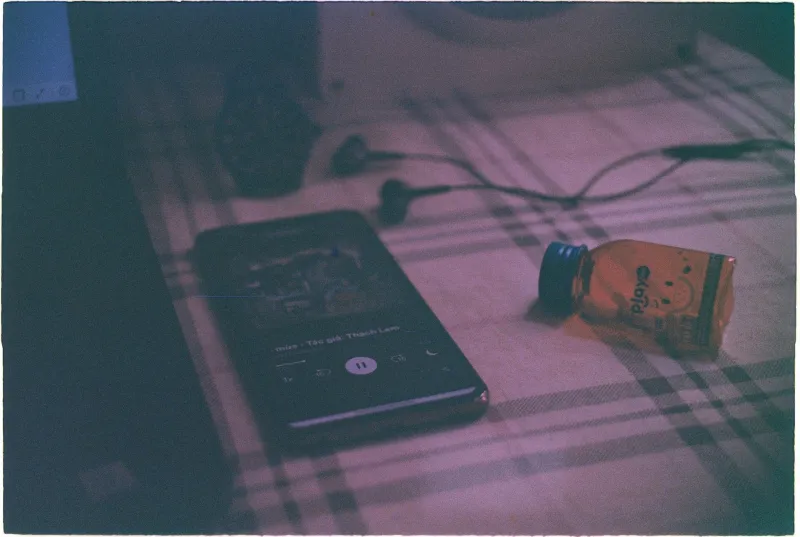
There is a particular kind of party host who cannot leave the music alone. You know this person. Maybe you are this person. They're hovering near the speaker, skipping songs before they finish, adjusting the volume every four minutes, and occasionally disappearing mid-conversation to "fix something" in the playlist. The music is technically fine. The host is insufferable.
Here's the thing: the goal of party music isn't perfection. It's momentum. And momentum requires letting go of the controls long enough for the room to actually feel it. This is your guide to building a playlist so well-constructed that it practically hosts the party for you.
Understand the Energy Arc Before You Pick a Single Song
Every great party playlist has a shape. Not a vibe — a shape. Think of it like a story with acts: a slow build, a rising middle, a peak, and a graceful descent. Most people build playlists like a highlight reel — all bangers, no breathing room — and then wonder why guests seem weirdly exhausted by 10 PM.
Here's the basic arc structure that works across almost every party type:
- Arrival (first 60–90 minutes): Low-to-medium energy. Background-friendly. Conversation shouldn't have to compete with the music. Think: R&B, indie pop, classic soul, mellow hip-hop, or acoustic covers of songs people recognize.
- Warmup (next 60 minutes): Start nudging the tempo up. Introduce songs that people know but don't necessarily expect. This is the "wait, I love this song" phase — the moment guests start engaging with the music instead of ignoring it.
- Peak (the heart of the party): Full send. Your highest-energy tracks, your crowd-pleasers, your "everyone-knows-every-word" anthems. This window is roughly 90 minutes to two hours, depending on the party.
- Wind-down: Bring it back gradually. Don't hard-cut from a banger to something mellow — that's a vibe whiplash that confuses people. Step down in energy over 30–45 minutes so the room cools naturally.
Map this arc before you start adding songs. Decide how long your party will run, divide it into phases, and assign a playlist to each one.
Genre Transitions: The Art of the Invisible Seam
Nothing breaks a room's energy faster than a jarring genre jump. Going from Drake straight into Fleetwood Mac without a bridge is the musical equivalent of a record scratch — everyone notices, and not in a good way.
The trick is transition tracks: songs that live in two worlds simultaneously. A funky disco cut can bridge classic rock and hip-hop. A pop-country crossover can take a room from mainstream pop to something more laid-back. Think of these as musical palate cleansers — they don't need to be the best songs in your playlist, they just need to make the next song feel inevitable.
Platforms like Spotify's "Radio" feature or Apple Music's "Autoplay" can suggest transition-friendly tracks if you're stuck. But the manual approach — listening to the last 30 seconds of one song and the first 30 seconds of the next — is still the gold standard for smooth handoffs.
The Request Problem (And How to Handle It Gracefully)
Someone will make a music request. Probably multiple someones. Here's how to handle it without becoming a full-time DJ or offending your guests.
The polite defer: "Oh, great call — I'll add it to the queue for later." Then do exactly that, or don't, depending on whether it fits the arc. The guest feels heard. The playlist stays intact.
The queue compromise: Spotify and Apple Music both allow queue additions without disrupting the current track. If a request genuinely fits the energy of the current phase, drop it in the queue. If it doesn't, save it for the wind-down or a future playlist.
The "this person actually has taste" exception: Sometimes a guest suggests a track that's legitimately perfect for the moment. Let it play. You don't have to be precious about your curation — the goal is a great party, not an art installation.
What you should never do: play a request that completely derails the room's momentum just because you felt awkward saying no. A polite "I'll work it in later" is a complete sentence.
Setting Up a Self-Running Playlist (So You Can Actually Enjoy Your Own Party)
The best playlist for a host is one that doesn't need babysitting. Here's how to build one:
Pre-load everything. Don't rely on streaming algorithms mid-party. Download your playlists for offline use or create them in full before the night starts. Wi-Fi dies. Algorithms make weird choices. Be prepared.
Use crossfade. Spotify's crossfade setting (find it in Settings > Playback) blends the end of one track into the beginning of the next, eliminating the awkward silence between songs. Set it to 3–5 seconds. Instant DJ energy.
Create phase-specific playlists, not one giant list. A 6-hour single playlist is a nightmare to manage. Three 2-hour playlists — arrival, peak, wind-down — gives you natural checkpoints without micromanagement. When one ends, hit play on the next. Done.
Assign a trusted co-host to the music. Pick one person — someone with good taste who won't abuse the privilege — and give them music duties. Tell them the arc, show them the playlists, and then walk away. This is the delegation move that separates good hosts from great ones.
Knowing When to Hand Over the Aux Cord
Here's the uncomfortable truth: sometimes a guest is just better at this than you are. If someone at your party is a professional DJ, a music producer, or simply the person whose Spotify recommendations have never missed, let them cook. Step back, grab a drink, and enjoy the fact that your party is now in capable hands.
The worst thing you can do is cling to control out of pride while the energy slowly leaks out of the room. Great hosting is knowing which decisions to make and which ones to delegate. Music, once the arc is set, is almost always better off delegated.
Build the structure. Set the arc. Then put the phone down and go be a guest at your own party. That's the move.