Your Street, Your Rules: The No-Excuses Playbook for Throwing the Greatest Block Party Your Neighborhood Has Ever Seen
Somewhere between the rise of Ring doorbells and the decline of front porch culture, we lost something important: knowing our neighbors. Not just waving at them from the driveway, but actually knowing them — their names, their kids, their inexplicable passion for competitive cornhole. The block party is how we get that back. And done right, it's so much more than a reason to drag lawn chairs into the street.
This is your definitive guide to planning a block party that people will talk about until next summer — and probably start asking about before the decorations are even down.
Step One: Become the Person Who Actually Does It
Every neighborhood has the idea. Almost none of them have the person willing to make it happen. That person is now you. Congratulations, and also — you're welcome in advance.
Start with a simple survey or group text to gauge interest among your immediate neighbors. Apps like Nextdoor or even a shared Google Form make this absurdly easy. Propose a date range (early-to-mid summer tends to work best before vacation season fragments everyone's schedules), and let people vote. The moment you have a date and three neighbors who are in, you have momentum. Everything else follows from there.
Pro tip: Recruit a small planning committee early — even two or three neighbors willing to co-host will make the logistics infinitely more manageable and spread the cost burden fairly from the jump.
Permits, Street Closures, and the Bureaucracy You Can't Skip
Here's the part nobody wants to deal with but everyone needs to: getting official permission to close your street. Requirements vary widely by city and county, but most municipalities in the US have a formal process for temporary street closure permits, and you'll typically need to apply several weeks — sometimes months — in advance.
Start by contacting your local city hall, parks and recreation department, or police non-emergency line. Search "[your city] block party permit" and you'll usually find the right form pretty quickly. Common requirements include:
- A completed permit application with your event date and hours
- Signatures or written consent from a minimum percentage of residents on the block
- Proof of liability insurance (some cities waive this for residential events; others don't)
- A site map showing where barricades will be placed
- Notification to emergency services of the closure
Yes, it's a little paperwork. No, it's not optional. The last thing you want is a city official showing up mid-party to shut things down while someone's mid-cannonball in the inflatable pool. Handle the permits early, and then forget about them.
Rally the Neighbors Without Losing Your Mind
The secret to a great block party is collective ownership — when people contribute, they show up. And when they show up, they actually have fun because they're invested.
Create a simple sign-up sheet (digital or physical, your call) broken into categories: food contributions, activity coordination, setup/breakdown, supply runs, and financial contributions. Give people options based on their bandwidth. Not everyone can donate money, but they might be able to bake, haul tables, or run the kids' game zone for an hour.
For cost-splitting, consider a voluntary contribution model with a suggested amount per household — something like $20 to $40 depending on your neighborhood's size and the scale of the event. Use a shared Venmo or a cash envelope system, and be transparent about where the money goes. People respond well to honesty. A quick breakdown posted in the group chat ("Here's what we spent, here's what we had left over") builds trust and makes next year's fundraising even easier.
Ditch the Potluck-Only Model: Bring in Local Food Vendors
Look, potluck dishes are a beloved block party tradition and we're not here to disrespect your aunt's macaroni salad. But if you want to genuinely elevate the event — and take the pressure off neighbors to cook — consider bringing in a local food truck or two.
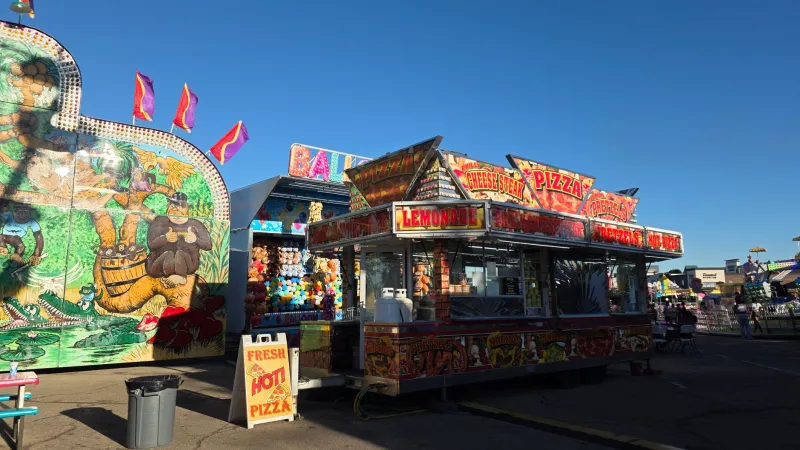
Food trucks are increasingly open to neighborhood events, especially during weekday gaps or early weekend afternoon slots. Reach out directly (most have booking info on their websites or Instagram), explain the setup, and ask about minimums. Some trucks will come for a guaranteed sales minimum rather than an appearance fee, which means your block just needs to eat enough tacos to hit the number. Spoiler: they will.
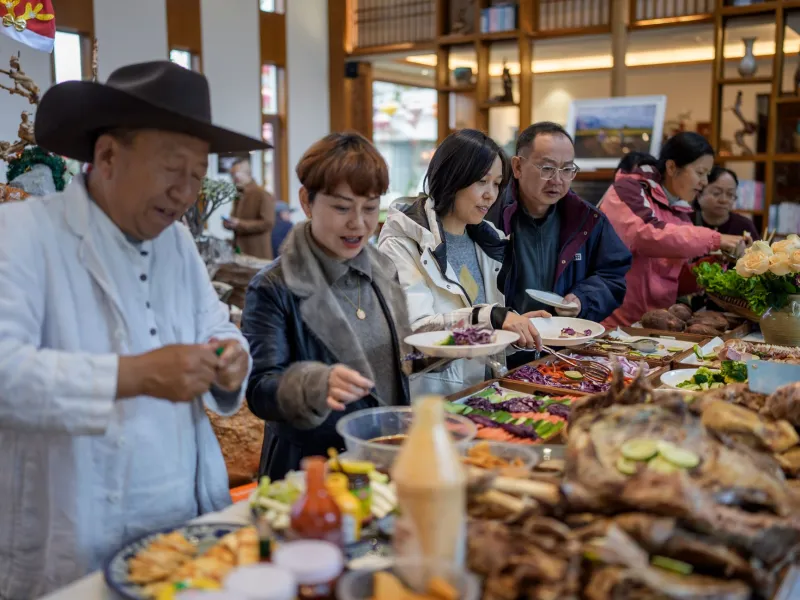
If a full food truck isn't in the budget, look into local BBQ caterers, a neighborhood restaurant willing to set up a pop-up, or even a local bakery that can provide a dessert table. Mixing one catered element with potluck contributions hits the sweet spot between impressive and community-driven.
Activity Zones That Work for Every Age
The best block parties have something for everyone — and that means thinking in zones. Here's a framework that consistently works:
The Kids' Zone: Inflatable bounce houses are perennial crowd-pleasers and can be rented for a few hundred dollars. Supplement with carnival-style games (ring toss, duck pond, sack races), sidewalk chalk stations, and a water balloon area if it's hot. Assign a rotating group of adults to supervise so no single parent is stuck on duty all day.
The Games Zone: Cornhole, bocce ball, ladder toss, and giant Jenga are easy to set up and naturally bring adults together. Consider organizing a short tournament with a ridiculous trophy — a plastic crown, a novelty ribbon, a hand-painted "Street Champion" sign. People will compete aggressively for something completely meaningless and love every second of it.
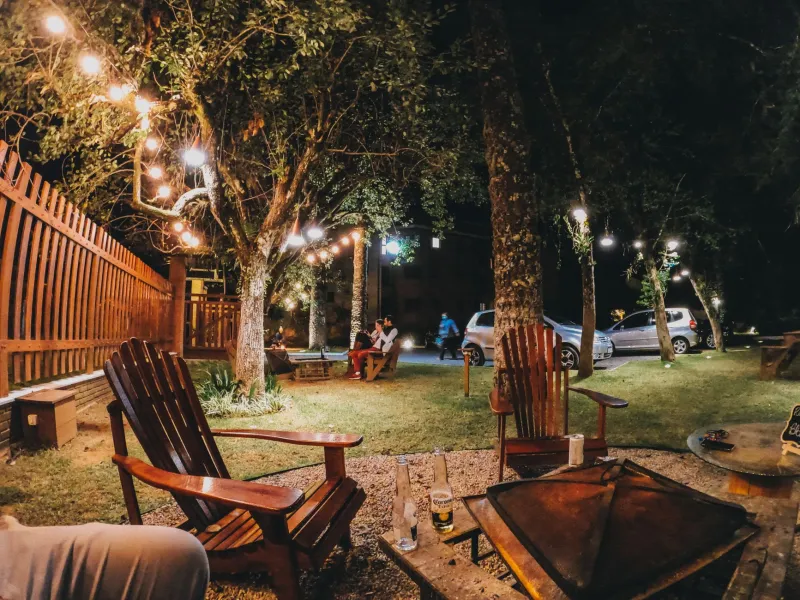
The Chill Zone: Not everyone wants to be in the middle of the action. Set up a shaded area with comfortable seating, maybe a misting fan if you're in a warmer climate, and a cooler full of drinks. This is where the actual neighborhood conversations happen — the ones that make you realize your neighbor is hilarious and you've been waving at them for six years without knowing their last name.
The Entertainment Zone: A Bluetooth speaker setup with a curated playlist goes a long way. If your budget allows, hire a local DJ or a high school/college musician looking for experience. Live music transforms the energy of an outdoor gathering in a way that a playlist simply can't replicate.
Pick a Theme That Builds Neighborhood Identity
A theme isn't mandatory, but it's the difference between a fun afternoon and a legendary annual tradition. The best block party themes are inclusive, easy to participate in, and a little bit silly.
Some ideas that genuinely work:
- Decade throwbacks (70s, 80s, 90s — dress code encouraged, bonus points for trivia)
- Street Olympics (every family represents a "country," compete in backyard games throughout the day)
- Around the World (each household brings a dish or drink from a different culture)
- Neighborhood Pride (custom t-shirts with your street name, a photo booth, a neighborhood trivia game)
Whatever you choose, commit to it. A half-hearted theme is worse than no theme. Go all in on the decorations, the signage, the playlist — and watch your neighbors rise to meet the energy.
The Day-Of Checklist You'll Thank Yourself For
In the final 48 hours before the party, run through this:
- Confirm street closure barricade pickup or delivery
- Confirm food truck arrival time and setup space
- Charge all Bluetooth speakers
- Set up activity zones the morning of (rope in your committee)
- Prep a trash and recycling station — visible, labeled, and staffed by nobody (just make it obvious)
- Have a rain backup plan communicated to all neighbors in advance
- Designate a point person for any issues so you're not the only one fielding questions mid-party
Why This Is Worth Every Bit of the Effort
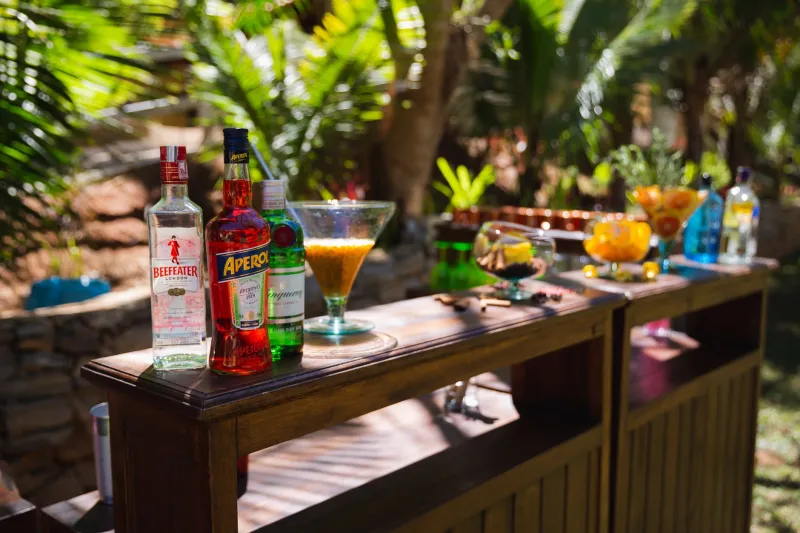
Block parties aren't really about the food, or the games, or even the perfectly curated drink station (though all of those things help). They're about the moment a kid from down the street makes a new best friend, or the retired couple on the corner laughs harder than they have in months, or the new family that moved in last fall finally feels like they belong.
That's the whole point. And you're the one who made it happen.
Now go send that group text. Your street is waiting.